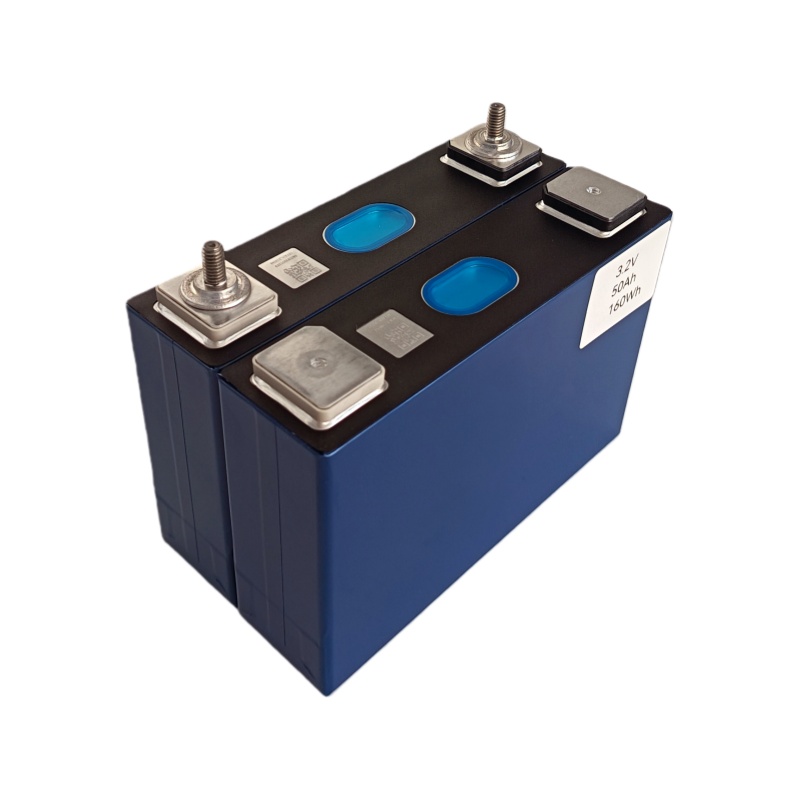
Batteries are at the heart of modern energy storage and mobility systems—and among them, the 3.2V battery stands out as a reliable, safe, and long-lasting power source. Whether you’re exploring solar energy storage, electric vehicles, or off-grid power solutions, understanding how a 3.2V battery works can help you make smarter energy choices.
In this comprehensive guide, we’ll break down what a 3.2V battery is, its types, key characteristics, charging and discharging methods, and how it compares to the more common 3.7V lithium batteries.
What Is a 3.2V Battery?
A 3.2V battery is a lithium-based cell with a nominal voltage of 3.2 volts, most commonly found in LiFePO4 (Lithium Iron Phosphate) chemistry. This chemistry offers a balance of safety, stability, and durability, making it ideal for demanding energy applications.
Voltage Specifications
- Nominal voltage: 3.2V
- Fully charged voltage: 3.6V–3.65V
- Discharge cut-off voltage: 2.0V–2.5V
- Charge cut-off voltage: 3.65V
This range allows the 3.2V cell to deliver steady power output while maintaining a long cycle life and superior thermal stability. Compared to traditional 3.7V lithium-ion batteries, 3.2V LiFePO4 cells are safer and more resistant to overheating, though they may offer slightly lower energy density.
Types of 3.2V Batteries
Different types of 3.2V batteries exist, but two main categories dominate the market:
1. LiFePO4 (Lithium Iron Phosphate) Batteries
The most common 3.2V chemistry, LiFePO4 batteries, are widely used for energy storage, EVs, and renewable power systems.
Key Advantages:
- Exceptional Safety: Non-toxic and chemically stable with minimal fire risk.
- Long Cycle Life: Up to 2,000–5,000 charge cycles, far exceeding other lithium types.
- Thermal Stability: Can operate in high-temperature environments without degradation.
- Low Self-Discharge: Retains charge for extended periods when stored.
2. Other Lithium-Ion Chemistries
Some lithium-ion variants also use 3.2V configurations, though they are less common than LiFePO4.
Advantages:
- Higher energy density (more energy per unit weight).
Drawbacks:
- Reduced safety and shorter lifespan compared to LiFePO4.
- More prone to thermal runaway and capacity fade over time.
3.2V Solar Batteries: The Ideal Energy Storage Partner
3.2V solar batteries, typically made with LiFePO4 chemistry, are designed for renewable energy systems that require consistent and efficient energy storage.
Key Characteristics:
- Efficient Energy Storage: Capture and store excess solar energy for night use.
- Durability: Capable of thousands of charge/discharge cycles without capacity loss.
- Stable Output: Maintains consistent voltage, crucial for off-grid solar systems.
Applications:
- Residential and commercial solar storage systems
- Off-grid power setups
- Hybrid grid systems
3.2V LiFePO4 Battery: The Core of 12V Battery Banks
The 3.2V LiFePO4 cell is the building block for many 12V, 24V, and 48V battery packs used in solar storage, RVs, marine systems, and electric vehicles.
Key Advantages:
- Stable Performance: Consistent output under high discharge rates.
- Long Lifespan: Up to 10 times longer than traditional lead-acid batteries.
- Lightweight and Compact: Easier to transport and install.
- Maintenance-Free: No acid spills or corrosion issues.
How to Charge a 3.2V Battery Safely
Charging a 3.2V LiFePO4 battery correctly ensures maximum efficiency and battery longevity.
Charging Method
- Constant Current (CC) Mode: The charger supplies a steady current while voltage rises.
- Constant Voltage (CV) Mode: Once voltage reaches around 3.6V–3.65V, the current gradually decreases until the battery is fully charged.
Charging Guidelines
- Use a LiFePO4-Specific Charger: Designed to prevent overcharging.
- Avoid High-Speed Charging: Excess heat can shorten battery life.
- Never Exceed 3.65V: To prevent thermal runaway or permanent cell damage.
Discharging the 3.2V Battery: Best Practices
Discharging refers to using the battery’s stored energy to power devices. Proper discharge management is vital to preserve the battery’s capacity and health.
Discharge Characteristics
- Voltage Range: From 3.2V nominal down to 2.0V minimum.
- Energy Efficiency: Stable voltage output throughout the discharge cycle.
Discharge Tips
- Avoid Deep Discharges: Stop use when capacity reaches 20–30% remaining.
- Use a BMS (Battery Management System): Protects against over-discharge and cell imbalance.
Understanding Battery Capacity
The capacity of a 3.2V battery is measured in ampere-hours (Ah), indicating how much energy it can store.
Common Ranges:
- 10Ah–100Ah: For small to medium applications.
- 100Ah+ (custom): For large-scale industrial or renewable energy storage systems.
A higher-capacity battery delivers longer runtime, making it ideal for solar systems, EVs, and backup power.
Applications of 3.2V Batteries
3.2V batteries are incredibly versatile and used in various industries due to their balance of safety, stability, and performance.
Typical Applications
- Solar Energy Storage: Storing daytime energy for nighttime use.
- Electric Vehicles: Power source for e-bikes, EVs, and golf carts.
- Marine and RV Power: Reliable off-grid power for boats and campers.
- Backup Power Systems: Emergency power for homes or critical infrastructure.
- Portable Electronics: Used in high-performance devices for longer runtimes.
3.2V vs. 3.7V Battery: What’s the Difference?
While both are lithium-based, 3.2V and 3.7V batteries differ in chemistry, voltage, and performance.
| Feature | 3.2V LiFePO4 | 3.7V Li-ion |
|---|---|---|
| Chemistry | Lithium Iron Phosphate | Lithium Cobalt Oxide / Lithium Manganese Oxide |
| Nominal Voltage | 3.2V | 3.7V |
| Cycle Life | 2,000–5,000 cycles | 500–1,000 cycles |
| Safety | Very high | Moderate |
| Energy Density | Moderate | Higher |
| Best Use | Solar, EV, Backup systems | Phones, laptops, drones |
Can you replace a 3.2V with a 3.7V battery?
No. The higher voltage of a 3.7V battery can cause overvoltage damage or malfunction in devices designed for 3.2V operation.
Conclusion: Why Choose a 3.2V LiFePO4 Battery
The 3.2V LiFePO4 battery offers a perfect combination of safety, stability, and lifespan, making it an ideal choice for modern energy systems. From solar storage and EVs to off-grid applications, these batteries provide dependable performance and long-term value.
If you’re searching for a reliable, eco-friendly, and cost-effective energy solution, the 3.2V LiFePO4 battery stands as one of the best options available today—balancing innovation with sustainability for the future of clean energy.