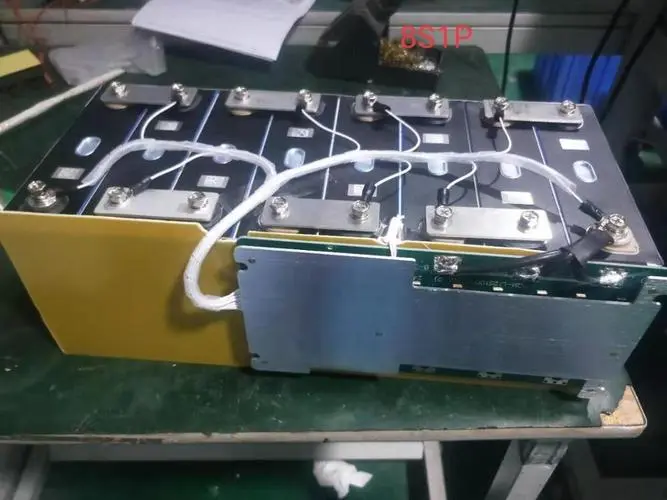
LiFePO4 batteries have become one of the most talked-about energy storage technologies in recent years. From solar energy systems and RVs to electric vehicles and marine applications, lithium iron phosphate batteries are rapidly replacing traditional lead-acid and other lithium-ion batteries. But one question consistently comes up before people invest: How long do LiFePO4 batteries actually last?
The short answer is impressive—LiFePO4 batteries can last over a decade and endure thousands of charge cycles. The long answer is even more compelling. In this in-depth guide, we’ll explore the lifespan of LiFePO4 batteries, what makes them last so long, the factors that influence their durability, and how proper maintenance can help you get the most value from your investment.
What Is a LiFePO4 (Lithium Iron Phosphate) Battery?
A LiFePO4 battery is a specific type of lithium-ion battery that uses lithium iron phosphate as its cathode material. This chemical structure sets it apart from other lithium batteries such as lithium cobalt oxide or lithium manganese oxide.
The result is a battery that is exceptionally stable, thermally safe, and resistant to overheating. Unlike conventional lithium-ion batteries, LiFePO4 cells are far less prone to thermal runaway, making them one of the safest rechargeable battery technologies available today.
Beyond safety, lithium iron phosphate batteries are known for their consistent voltage output, high efficiency, and remarkable cycle life. These characteristics make them ideal for applications that require frequent charging and discharging, including solar storage systems, backup power supplies, off-grid installations, electric mobility, and marine energy systems.
How Long Do LiFePO4 Batteries Last?
Cycle Life Explained
The lifespan of a LiFePO4 battery is commonly measured in charge cycles rather than years alone. One cycle refers to a full charge and discharge of the battery. Most high-quality LiFePO4 batteries are rated for 4,000 to 6,000 cycles, and some premium models can exceed that under ideal conditions.
To put this into perspective, if you charge and discharge your battery once per day, a 4,000-cycle lifespan translates to more than 10 years of daily use. Even after reaching this cycle count, the battery does not suddenly fail—it typically retains around 70–80% of its original capacity, which is still usable for many applications.
Real-World Longevity
In real-world scenarios, LiFePO4 batteries often outperform their rated specifications. Compared to lead-acid batteries, which typically last 300–500 cycles, lithium iron phosphate batteries offer an exponential improvement in longevity. This extended lifespan significantly reduces replacement frequency, long-term costs, and environmental waste.
For homeowners using solar energy storage or businesses relying on uninterrupted power, this reliability makes LiFePO4 batteries a long-term, cost-effective energy solution.
Why LiFePO4 Batteries Last Longer Than Other Batteries
Several inherent characteristics contribute to the extended lifespan of LiFePO4 batteries:
- Stable chemical structure that resists breakdown over time
- Low internal resistance, reducing heat generation during use
- High tolerance for deep discharges without severe degradation
- Efficient energy transfer, minimizing stress on internal components
These advantages allow lithium iron phosphate batteries to maintain performance over thousands of cycles while delivering consistent power output.
Key Factors That Affect LiFePO4 Battery Life
Although LiFePO4 batteries are designed for longevity, several factors can influence how long they last in practice. Understanding these variables can help you maximize battery performance and lifespan.
1. Depth of Discharge (DoD)
Depth of discharge refers to how much of the battery’s capacity is used before recharging. While LiFePO4 batteries can handle deep discharges better than most batteries, consistently draining them to 100% can shorten their overall life.
For optimal longevity, maintaining a DoD of around 70–80% is recommended. Shallower discharge cycles significantly extend the total number of usable cycles.
2. Charging Method and Voltage Control
Using the correct charger is essential. LiFePO4 batteries require specific charging voltages that differ from other lithium or lead-acid batteries. Overcharging or using an incompatible charger can damage internal cells and reduce cycle life.
A dedicated lithium iron phosphate charger or a high-quality battery management system (BMS) ensures proper voltage regulation, balanced cell charging, and long-term battery health.
3. Operating Temperature
Temperature plays a critical role in battery performance and longevity. LiFePO4 batteries perform best in moderate conditions, typically between 0°C and 45°C (32°F to 113°F).
Excessive heat accelerates chemical degradation, while extreme cold can temporarily reduce capacity and efficiency. Proper ventilation, insulation, or thermal management systems can help maintain optimal operating temperatures.
4. Storage Conditions
When storing a LiFePO4 battery for extended periods, conditions matter. Long-term storage should be done in a cool, dry environment with the battery maintained at approximately 50% state of charge.
Storing batteries fully charged or fully depleted for months can cause capacity loss over time. Partial charge storage preserves internal chemistry and minimizes degradation.
5. Usage Patterns
LiFePO4 batteries benefit from regular use. Frequent cycling keeps the battery chemistry active and balanced. Long periods of inactivity may lead to self-discharge or imbalance among cells if the battery lacks an advanced BMS.
If the battery is not used often, periodic charging and discharging help maintain optimal performance.
6. Battery Quality and Manufacturing Standards
Not all LiFePO4 batteries are created equal. The quality of raw materials, cell matching, internal BMS design, and manufacturing precision all influence lifespan.
High-quality batteries from reputable manufacturers typically deliver longer service life, better safety, and more reliable performance than cheaper, poorly manufactured alternatives.
How to Properly Store and Maintain a LiFePO4 Battery
Proper care and maintenance are essential to unlocking the full potential of lithium iron phosphate batteries. By following best practices, you can extend battery life and ensure consistent performance.
Store at the Right Temperature
Always store LiFePO4 batteries in a cool, dry place. Avoid prolonged exposure to high heat or freezing conditions, as both can negatively impact long-term performance.
Maintain a Partial Charge During Storage
For long-term storage, keep the battery around 40–60% charged. This level minimizes stress on the cells and preserves capacity over time.
Use the Correct Charger
Only use chargers designed specifically for LiFePO4 batteries. Proper charging voltage and current are critical for safety and longevity.
Avoid Over-Discharging
Although LiFePO4 batteries are robust, repeatedly discharging below 10–20% can still reduce cycle life. Recharging before reaching extremely low levels helps maintain long-term health.
Keep the Battery Clean and Dry
Ensure terminals are free from corrosion, dust, and moisture. Regular inspections help identify potential issues early and prevent performance loss.
Are LiFePO4 Batteries Worth the Investment?
When evaluating battery technologies, lifespan is one of the most important considerations. LiFePO4 batteries offer an unmatched combination of safety, longevity, efficiency, and reliability.
Although the upfront cost may be higher than traditional batteries, the long service life, minimal maintenance, and reduced replacement frequency make lithium iron phosphate batteries more economical over time.
Conclusion: The Future-Proof Choice for Energy Storage
LiFePO4 batteries are redefining modern energy storage. With lifespans exceeding 10 years, thousands of charge cycles, and exceptional safety characteristics, they are a powerful solution for residential, commercial, and mobile energy needs.
As demand for renewable energy and reliable power continues to grow, lithium iron phosphate technology stands out as a sustainable, long-term investment. Trusted brands like Evlithium are leading the way by offering high-quality LiFePO4 batteries designed for solar systems, RVs, marine applications, and off-grid living.
Whether you are building a solar-powered home, upgrading your RV energy system, or seeking dependable backup power, choosing a premium LiFePO4 battery can provide peace of mind and consistent performance for years to come.