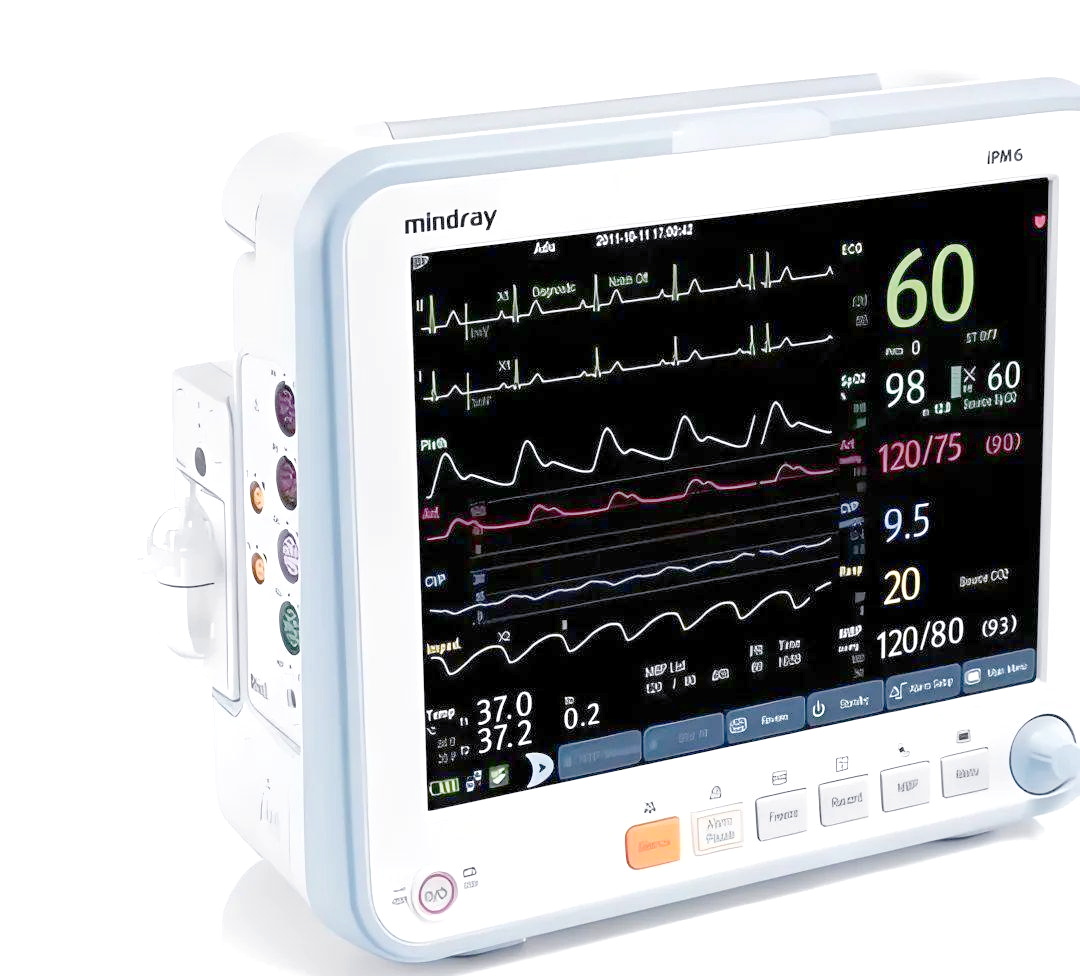
In modern healthcare environments, uninterrupted power is essential. Emergency backup lithium batteries play a critical role in ensuring that medical devices continue operating during power outages. These advanced energy storage systems have replaced traditional battery technologies due to their superior efficiency, longer lifespan, and enhanced safety.
The Importance of Backup Power in Healthcare

Medical facilities rely on continuous power to maintain life-saving equipment. Emergency backup lithium batteries ensure that critical systems remain operational even during unexpected outages.
- Operating rooms and surgical systems
- Intensive care units (ICUs)
- Emergency lighting systems
- Respiratory and life-support devices
- Defibrillators and monitoring equipment
- Remote patient monitoring systems
Lithium-ion batteries are preferred because they provide high energy density, stable performance, and long service life, making them ideal for demanding medical applications.
Risks of Power Failure in Healthcare Facilities
Power outages can have serious consequences in healthcare settings. Without reliable backup systems, hospitals may face:
- Failure of life-support equipment
- Interrupted surgical procedures
- Loss of access to patient records
- Increased strain on emergency services
These risks highlight the necessity of robust and reliable emergency backup lithium battery systems.
Understanding 5S1P and 7S1P Battery Configurations
What Are 5S1P and 7S1P?
Battery configurations define how cells are arranged within a pack:
- 5S1P: 5 cells connected in series
- 7S1P: 7 cells connected in series
| Battery Type | Voltage | Capacity | Configuration |
|---|---|---|---|
| 5S1P | ~16V | 1500mAh | 5 cells in series |
| 7S1P | ~22.4V | 1500mAh | 7 cells in series |
Key Differences and Performance
The primary difference between these configurations is voltage output. A 7S1P battery pack delivers higher voltage, making it suitable for high-performance medical devices, while 5S1P is ideal for moderate power applications.
Advanced Battery Management Systems (BMS)
Modern battery management systems significantly enhance the safety and efficiency of lithium battery packs. These systems monitor:
- Voltage and current
- Temperature conditions
- State of charge
- Battery health status
Key benefits include predictive maintenance, real-time monitoring, and improved reliability, ensuring uninterrupted performance in critical healthcare applications.
Safety Standards and Compliance
Healthcare battery systems must comply with strict international regulations to ensure safety and performance. Important standards include:
- IEC 62133 – Lithium battery safety
- IEC 60086-4 – Electrical and mechanical safety
- UL 1642 – Lithium battery certification
- ANSI/AAMI ES 60601-1 – Medical equipment safety
Following these standards helps reduce risks and ensures reliable operation in medical environments.
Performance in Extreme Conditions
LiFePO4 batteries offer stable performance across a wide temperature range from -20°C to 70°C. They maintain efficiency even in challenging environments, unlike traditional lead-acid batteries that lose capacity under extreme conditions.
Benefits of Lithium Backup Batteries
Reliability and Longevity
- High energy density for longer operation
- Low self-discharge rate
- Extended service life
Low Maintenance and Easy Integration
| Battery Type | Maintenance Frequency | Tasks |
|---|---|---|
| Lithium-Ion | Annually | Inspection, cleaning |
| Lead-Acid | Quarterly | Cleaning, refilling, and checks |
Lithium batteries reduce maintenance requirements, improve efficiency, and ensure consistent device uptime.
Future Trends in Healthcare Battery Technology
The future of emergency backup lithium batteries includes:
- Higher energy density
- Longer battery lifespan
- Smart monitoring systems
- Modular battery designs
Conclusion
Emergency backup lithium batteries are essential for modern healthcare systems. With configurations like 5S1P and 7S1P, advanced BMS technology, and strict compliance standards, these power solutions ensure reliability, safety, and continuous operation of critical medical devices.