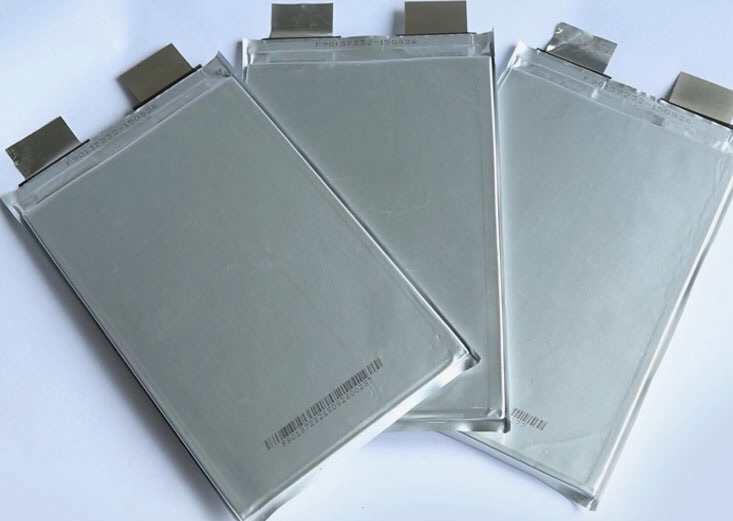
LiFePO4 pouch cells are gaining significant attention in the energy storage market. Known for their safety, long lifespan, and eco-friendly design, they are increasingly replacing traditional lithium-ion options in electric vehicles, solar systems, and industrial applications. This guide provides an in-depth look at what LiFePO4 pouch cells are, how they work, and why they stand out against other battery technologies.
What Is a LiFePO4 Pouch Cell?

A LiFePO4 pouch cell is a lithium battery that uses lithium iron phosphate (LiFePO4) as its cathode material. Unlike rigid cylindrical or prismatic batteries, these cells are encased in a flexible, lightweight aluminum-laminated pouch.
This design offers exceptional space efficiency, reduced weight, and design flexibility—an ideal solution for applications where compactness and reliability are critical.
Beyond its shape, the chemistry makes it shine. With a nominal voltage of 3.2V, LiFePO4 batteries deliver excellent thermal stability, superior safety, and an extended cycle life, solving many of the issues linked with older lithium-ion chemistries.
Structure and Working Principle
Every LiFePO4 pouch cell is built from four essential components:
- Cathode (LiFePO4): Provides long-term stability and safety.
- Anode (Graphite): Stores lithium ions during charging.
- Separator: A thin microporous membrane preventing internal short circuits.
- Electrolyte: Allows lithium ions to flow between the electrodes.
When charging, lithium ions move from cathode to anode. During discharge, they return to the cathode, releasing stored energy. Thanks to the pouch design, internal resistance remains low, making energy transfer highly efficient.
LiFePO4 Chemistry Compared to LCO, NMC, and LFP
Battery chemistry dramatically affects performance. Here’s how LiFePO4 pouch cells compare:
| Property | LCO (LiCoO₂) | NMC (LiNiMnCoO₂) | LFP (Generic) | LiFePO4 Pouch Cell |
|---|---|---|---|---|
| Nominal Voltage | 3.7V | 3.6–3.7V | 3.2V | 3.2V |
| Energy Density | 150–200 Wh/kg | 160–220 Wh/kg | 90–140 Wh/kg | 110–160 Wh/kg |
| Cycle Life (80%) | 500–800 | 1,000–2,000 | 2,000–3,000 | 3,000–6,000 |
| Thermal Stability | Poor (150°C) | Moderate (180°C) | Excellent (270°C) | Excellent (270°C+) |
| Safety | Low | Medium | High | Very High |
| Environmental Impact | High | Moderate | Low | Very Low |
Key takeaway: LiFePO4 pouch cells offer outstanding safety, cycle life, and eco-friendliness. While their energy density is slightly lower, they excel in long-term reliability.
How Long Do LiFePO4 Pouch Cells Last?
Longevity is one of their strongest selling points. High-quality LiFePO4 pouch cells typically last 3,000–5,000 full charge cycles—sometimes up to 10 years of daily use. Even after thousands of cycles, they often retain 80% of their original capacity, making them highly cost-effective in the long run.
Energy Density: Is It Enough?
With 90–160 Wh/kg, LiFePO4 pouch cells don’t match the maximum density of LCO or NMC batteries. However, for applications like electric vehicles, solar storage, and backup systems, safety and cycle life far outweigh slightly higher capacity figures. In practice, users gain more value from durability and dependability.
Advantages and Disadvantages of LiFePO4 Pouch Cells
Advantages
- Exceptional Safety: Among the safest lithium chemistries.
- Ultra-Long Cycle Life: Lasts 3,000–6,000 cycles.
- Thermal Stability: Performs well in high-temperature conditions.
- Compact and Lightweight: Thanks to flexible pouch packaging.
- Lower Total Cost of Ownership: Long lifespan reduces replacement needs.
- Eco-Friendly: Free of cobalt and less harmful mining practices.
Disadvantages
- Lower Energy Density: Larger size may be required for the same capacity.
- Swelling Risks: Can expand if overcharged without proper BMS protection.
- Sensitive Handling: Pouch format is more vulnerable to mechanical stress.
Applications of LiFePO4 Pouch Cells
Their versatility makes them a go-to solution in many industries:
- Electric Vehicles: Cars, buses, and e-scooters.
- Solar Storage Systems: Home, commercial, and off-grid applications.
- Marine Equipment: Yachts, boats, and submarines.
- Medical Devices: Valued for unmatched safety.
- Portable Power Stations: Ideal for camping and RVs.
- Industrial Backup Power: Reliable emergency energy supply.
LiPo Pouch Cells vs. LiFePO4 Pouch Cells
| Feature | LiPo Pouch Cell | LiFePO4 Pouch Cell |
|---|---|---|
| Chemistry Type | Lithium Polymer | Lithium Iron Phosphate |
| Nominal Voltage | 3.7V | 3.2V |
| Energy Density | 150–250 Wh/kg | 110–160 Wh/kg |
| Cycle Life | 300–800 cycles | 3,000–6,000 cycles |
| Safety | Medium | Very High |
| Applications | Drones, RC models | EVs, Solar, Marine |
Verdict: LiFePO4 pouch cells are built for long-term, high-safety use, while LiPo cells are more suited for short-term, hobbyist applications.
LiFePO4 Pouch Cells vs. Prismatic Cells
| Feature | LiFePO4 Pouch Cell | LiFePO4 Prismatic Cell |
|---|---|---|
| Design Type | Flexible Pouch | Rigid Case |
| Weight | Lightweight | Heavier |
| Cycle Life | 3,000–6,000 cycles | 3,000–5,000 cycles |
| Mechanical Strength | Moderate | Very High |
| Space Efficiency | High | Lower |
Conclusion: Pouch cells suit lightweight, compact applications, while prismatic cells excel in heavy-duty environments requiring rugged designs.
How to Choose High-Quality LiFePO4 Pouch Cells
When sourcing LiFePO4 pouch cells, consider these factors:
- Reputable Brands: Stick with established manufacturers.
- Certifications: Look for UL, CE, RoHS, and UN38.3 approvals.
- Cycle Life Guarantee: Minimum of 3,000 cycles.
- Consistent Capacity: Review independent performance reports.
- Battery Management System (BMS): Prevents overcharging and swelling.
- Warranty: Reliable suppliers back their products with strong guarantees.
FAQs About LiFePO4 Pouch Cells
Are LiFePO4 pouch cells safer than other lithium batteries?
Yes, they are widely considered the safest lithium battery type.
Can they operate in cold weather?
Yes, though performance drops slightly below -20°C unless paired with a heating system.
Are they ideal for solar storage?
Absolutely. Their long cycle life and reliability make them perfect for renewable energy systems.
What happens if a pouch cell swells?
If swelling occurs, stop using the battery immediately and replace it.
Is fast charging safe?
Yes, as long as manufacturer-recommended limits are followed.
Final Thoughts
LiFePO4 pouch cells deliver a powerful balance of safety, efficiency, and sustainability. While they don’t reach the highest energy densities, their unmatched longevity, eco-friendliness, and versatility make them the preferred choice for EVs, solar systems, marine, and industrial backup power.
If you prioritize long-term performance and safety, LiFePO4 pouch cells are an investment that pays off for years to come.