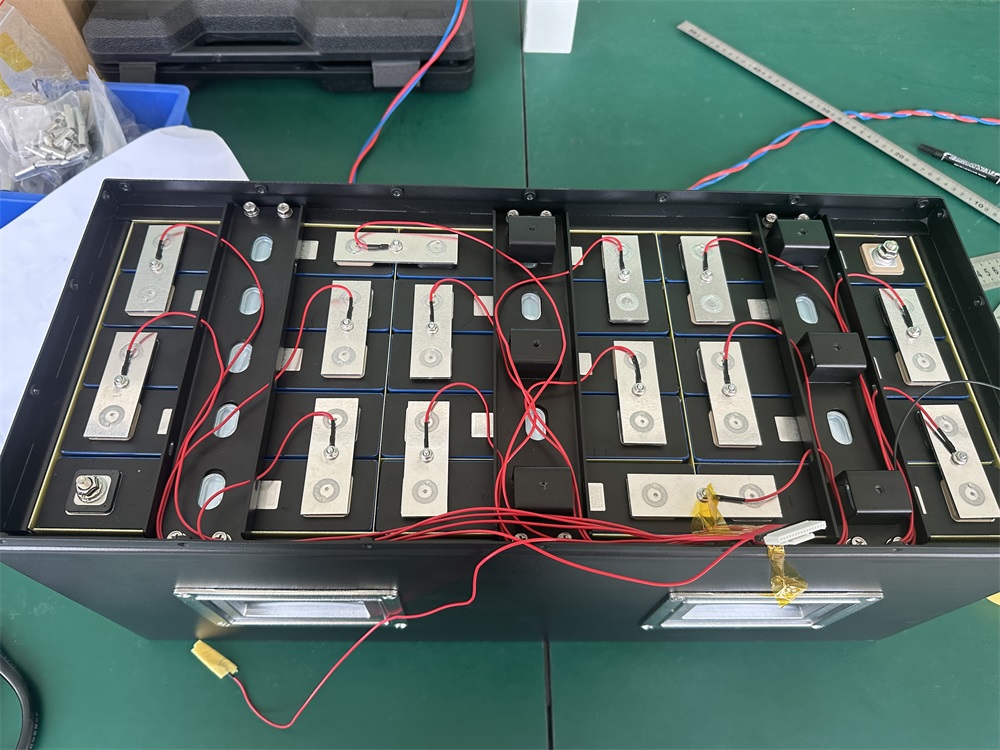
Expert comparison of chemistry, safety, energy density, cycle life, temperature performance, and true cost per cycle—plus FAQs and buying guidance.
Quick Comparison: LiFePO4 vs. Lithium-ion Polymer
Key takeaway: LiFePO4 delivers a much longer lifespan and superior safety, while LiPo offers ~40% higher energy density for compact designs.
| Feature | LiFePO4 | Lithium-ion Polymer (LiPo) |
|---|---|---|
| Energy Density | 90–120 Wh/kg | 150–200 Wh/kg |
| Cycle Life | 2,000–7,000 cycles | 300–1,000 cycles |
| Safety Risk | Very low; no thermal runaway | Higher; requires robust protection circuits |
| Cost (per kWh) | $150–$250 | $100–$150 |
| Best For | Solar storage, EVs, marine, backup power | Smartphones, drones, RC, portable electronics |
What Is a LiFePO4 Battery?
A LiFePO4 (Lithium Iron Phosphate) battery uses an iron phosphate cathode and a graphite anode. During charge and discharge, lithium ions move through the separator between electrodes. The olivine crystal structure of the cathode inhibits oxygen release, delivering outstanding thermal stability, predictable behavior, and long service life.
Advantages of LiFePO4
- Long life: 2,000–7,000 cycles; commonly 8–10 years in real-world use.
- Safety-first chemistry: Intrinsically stable; nail penetration and crush tests do not result in fire.
- Fast charging: Supports up to ~1.5C; full in ~40 minutes with compatible chargers.
- High temperature resistance: Chemically stable even at elevated temperatures.
- No memory effect: Charge at any state of charge without degradation.
- High usable capacity vs. lead-acid: Similar capacity at ~1/3 the weight.
Disadvantages of LiFePO4
- Cold-weather performance: Capacity may drop ~55% at −20 °C.
- Lower energy density: Larger and heavier than LiPo for the same watt-hours.
- Higher upfront cost: Typically $150–$250 per kWh.
- Manufacturing variability: Quality depends on cell and BMS integration.
What Is a Lithium‑ion Polymer (LiPo) Battery?
LiPo is a lithium-ion variant using a polymer electrolyte that enables thin, lightweight form factors. Cells typically operate at ~3.7–3.8 V per cell and offer excellent gravimetric and volumetric energy density—ideal for compact devices like phones, drones, and wearables.
Advantages of LiPo
- High energy density: Up to ~200 Wh/kg; slimmer packs and smaller enclosures.
- Higher nominal voltage: 3.7–3.8 V per cell vs. 3.2 V for LiFePO4.
- Low self‑discharge: ~2%/month at room temperature.
- Fast top‑up: 0–80% in ~30 minutes with capable chargers.
- RoHS‑friendly: No cadmium, lead, or mercury.
Disadvantages of LiPo
- Safety management required: Sensitive to overcharge, puncture, and heat; needs robust BMS.
- Shorter cycle life: Commonly 300–1,000 cycles.
- Voltage sag: Larger voltage swing across discharge vs. LiFePO4.
- High‑rate stress: Capacity drops faster at >1C discharge.
LiFePO4 vs. LiPo: 5 Key Differences
- Safety: LiFePO4’s olivine structure resists oxygen release (non‑combustible); LiPo needs protection circuits to mitigate thermal runaway.
- Temperature Range: LiFePO4 performs from about −20 °C to 60 °C; LiPo prefers 0–45 °C and loses capacity below −10 °C.
- Energy Density: LiPo packs more Wh/kg, enabling ~30% smaller packs at equal capacity.
- Lifespan & Cost: LiFePO4 typically delivers 2,000–7,000 cycles and far lower cost per cycle.
- Best Uses: LiFePO4 for EV/solar/marine; LiPo for drones/phones/RC.
Browse LiFePO4 BatteriesCompatible Chargers
Top FAQs
Which battery lasts longer: LiFePO4 or LiPo?
LiFePO4 lasts substantially longer—often 4–10×—with 2,000–7,000 cycles depending on depth of discharge and thermal management. LiPo commonly provides 300–1,000 cycles.
Is paying ~30% more for LiFePO4 worth it?
Yes for long‑term ownership. The cost per cycle of LiFePO4 is typically far lower, reducing total cost of ownership versus multiple LiPo replacements.
Can a lithium‑ion charger be used for LiFePO4?
No. Standard Li‑ion chargers target ~4.2 V per cell; LiFePO4 requires ~3.65 V per cell. Use a dedicated LiFePO4 profile or a smart charger/BMS.
Can LiFePO4 batteries explode if overcharged?
It is highly unlikely. The chemistry is inherently stable; however, always use a quality BMS and proper charging equipment for any lithium battery.
Which performs better in cold temperatures?
LiFePO4 generally maintains capacity better in sub‑zero conditions than LiPo, though both chemistries benefit from pre‑heating in extreme cold.
Final Verdict
If you prioritize safety, longevity, and predictable performance, choose LiFePO4 Battery for EVs, solar storage, marine, and backup power. If your top priority is compact size and lightweight design, LiPo remains a great fit for drones, phones, wearables, and RC models.